| Dear Friend:
Giclée is pronounced jee-clay. Here are two articles that explain the value of giclée fine art prints.
ARTICLE 1:
It never fails....you are in a bar or restaurant and someone invariably ask, "What in the heck is a giclée?" After you read this paper you will amaze your friends by being able to lean back and say.....
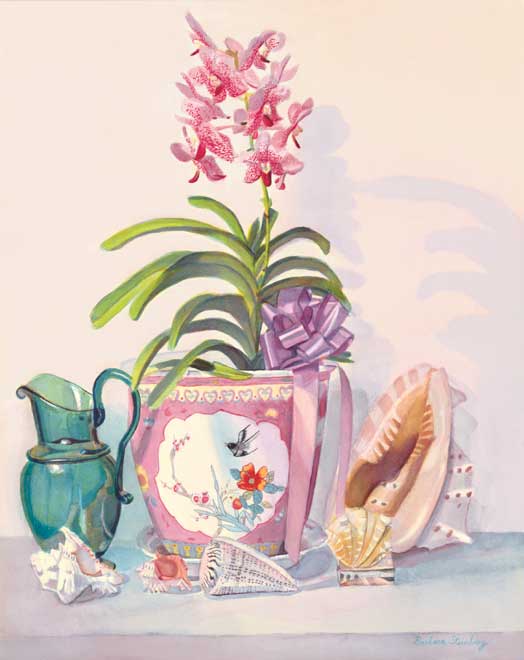 The French word Giclée means to spray or squirt. The giclée process uses incredibly accurate computer-controlled jets to apply ink at approximately 95 miles an hour to whatever medium you happen to be printing on (paper, canvas, foil, etc.) These unique jets are also able to vary the width of the ink stream to as small as 1/100th of a human hair. It is this capability that gives them its beauty. Giclée's have a higher apparent resolution than lithographs and the dynamic color range is greater than serigraphy. The French word Giclée means to spray or squirt. The giclée process uses incredibly accurate computer-controlled jets to apply ink at approximately 95 miles an hour to whatever medium you happen to be printing on (paper, canvas, foil, etc.) These unique jets are also able to vary the width of the ink stream to as small as 1/100th of a human hair. It is this capability that gives them its beauty. Giclée's have a higher apparent resolution than lithographs and the dynamic color range is greater than serigraphy.
The giclée process begins with the input stage. A scan of the original painting or a transparency will create a digital file. The scanning process is critical and requires the most technically advanced equipment. After the scan is complete, the resulting file must be balanced and adjusted to match the original artwork. Making the final print match or exceed the original art in itself and calls for a great deal of patience and skill. This requires the use of a colorist. The file preparation and proofing takes two weeks to a month.
Once the file is ready....
- It takes about an hour to print each giclée.
- You can print on fine art paper, canvas or foil.
- The colorist print is widely accepted in the world's finest museums and galleries as a true fine art medium.
- The inks are made from vegetable dyes and are non-toxic to the environment.
- Like any fine artwork, giclée's must be protected from moisture and abrasion. Should it need cleaning, only use a soft, lent free, dry cloth.
ARTICLE 2:
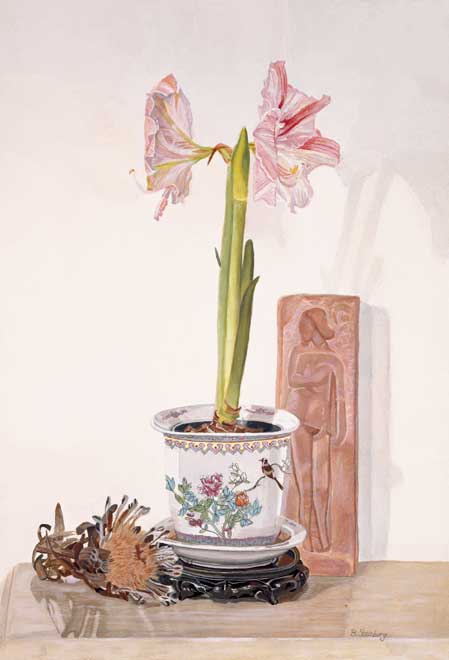 The giclée (or IRIS print) is probably the best thing to happen to fine art reproduction since the invention of photography. For decades artists have had to rely on the state of the art photographic prints for one at a time and small quantity runs of fine art reproductions or else invests large amounts of money into lithographic processes that require producing hundreds or even thousands of prints at a time. The giclée (or IRIS print) is probably the best thing to happen to fine art reproduction since the invention of photography. For decades artists have had to rely on the state of the art photographic prints for one at a time and small quantity runs of fine art reproductions or else invests large amounts of money into lithographic processes that require producing hundreds or even thousands of prints at a time.
With the recent explosion in digital technology developments, many new tools have transformed the business of fine art reproduction, and greatly improved the quality of the reproductions available to the public.
The traditional photography process requires several photographic steps between the original and the actual print being produced; so you may lose a percentage of the image to unpredictable variables inherent to photography. This has been a frustrating process for the artist, because, the finished product is usually either darker than the original or else there are unwanted shifts in color.
The new process requires only the original to be scanned digitally one at a time and recorded to a disk. The "IRIS" printer can print out digitally one at a time with integrity of color and image unknown before. Finally, the artist can expect that the reproduction will actually look like the original. While the artist gets what he wants, it is the art buyer that benefits the most from this new technology.
Today as never before, the art buying public has access to a product that will bring the look and feel of original artwork within their reach. There are a vast majority of people who cannot afford original artwork, but more than just a good photograph of a painting for their home.
With Aloha Spirit,
Barbara
|